
The Centers for Medicare & Medicaid Services (CMS) has proposed significant changes to Medicare’s Remote Physiologic Monitoring (RPM) and Remote Therapeutic Monitoring (RTM) policies that could affect providers and patients across Virginia. If finalized as written, the proposals would create new operational and reimbursement barriers that could disrupt established remote monitoring programs, particularly in rural and underserved communities where these services are often essential to expanding access to care.
What’s Being Proposed?
CMS is seeking to implement several changes to how RPM and RTM services are delivered and reimbursed, including:
- Restricting staffing models by requiring RPM services to be provided only by clinical staff directly employed by the billing practice, eliminating many contracted and centralized care models.
- Requiring a new initiating in-person visit before RPM services can begin, even for patients already established with a provider.
- Restructuring billing codes by bundling several services into fewer reimbursement codes.
- Reducing reimbursement rates for remote monitoring services before complete cost data is available.
Why It Matters
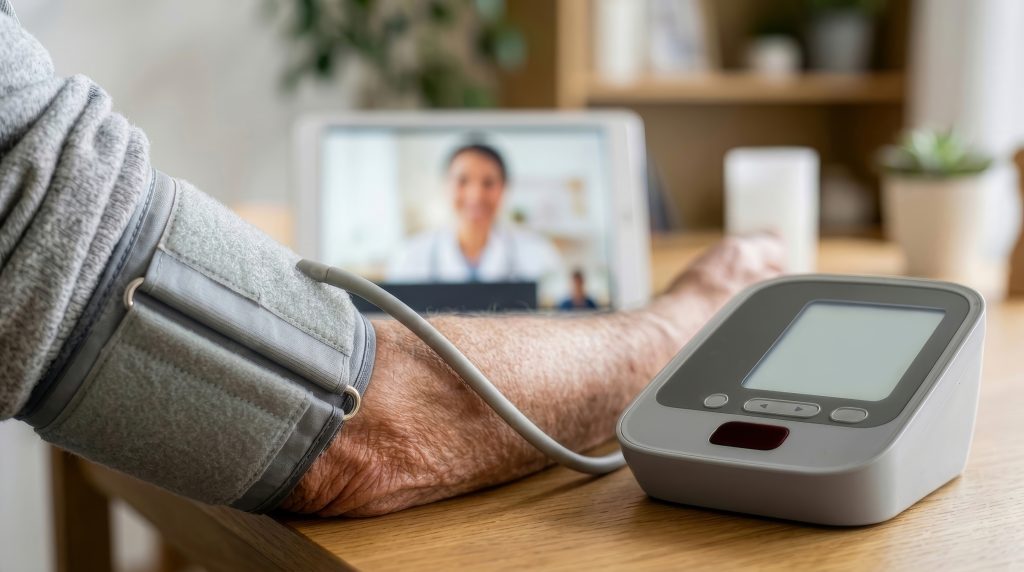
Remote monitoring has become an important tool for extending care beyond a clinic or practice, helping providers identify changes in a patient’s condition earlier, reduce avoidable hospitalizations, and improve chronic disease management.
According to the Alliance for Connected Care, these proposed changes could have an outsized impact on providers by making remote monitoring programs more difficult to operate and financially sustain. They also come at a time when Virginia and other states are investing in telehealth infrastructure, workforce development, and technology-enabled models of care to improve access for patients.
How You Can Help
The Virginia Telehealth Network joins national partners in urging CMS to delay implementation of these proposals and work with stakeholders to develop policies that protect program integrity without limiting access to care.
Providers and organizations can help by:
- Submitting comments directly to CMS describing how the proposals would impact your patients, practice, or organization. Submit comments here.
- Sharing your story about how remote monitoring has improved patient outcomes or expanded access to care. Submit stories to the Alliance for Connected Care here.
- Encouraging patients, caregivers, and colleagues to contact CMS and their members of Congress to share their experiences. Visit Alliance for Connected Care’s writing toolkit here.
The experiences of Virginia providers and patients are critical to ensuring policymakers understand the real-world impact these proposals could have on access to high-quality, technology-enabled care.
Together, we can help ensure future policies reflect the real-world experiences of providers and patients while supporting access to high-quality remote monitoring services.